Imagine trying to find a fish in murky water where you can’t even see the fish a metre ahead, let alone catch it! This is the challenge little penguins face whenever they head out to feed during or after a storm has churned up sediment and turned the ocean brown.
We know from previous research that storms increase suspended sediments in our coastal waters, changing the colour and clarity of the ocean, in turn impacting our little penguins (read about it on our previous blog). One of our current research projects is investigating how these changing conditions affect the penguins and the way they hunt for food.
To answer this question, we're turning to some exciting technology: animal-borne video loggers. These tiny cameras are small and light enough to be attached to little penguins as they head out to sea. Until now, we've only been able to infer what penguins experience offshore, from tracking data. The cameras allow us to see exactly what the penguins see while they're foraging. It's almost like swimming alongside them!
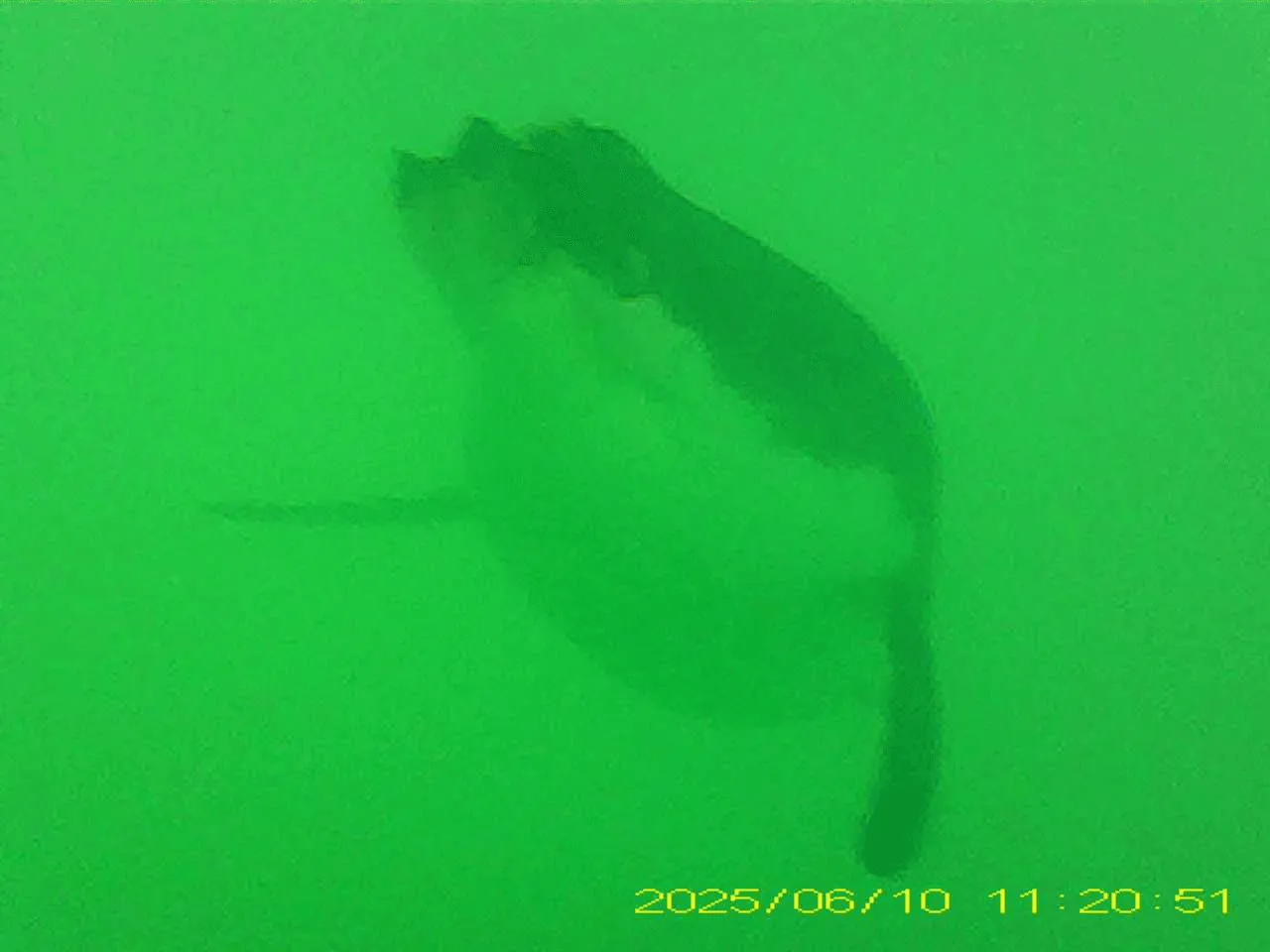
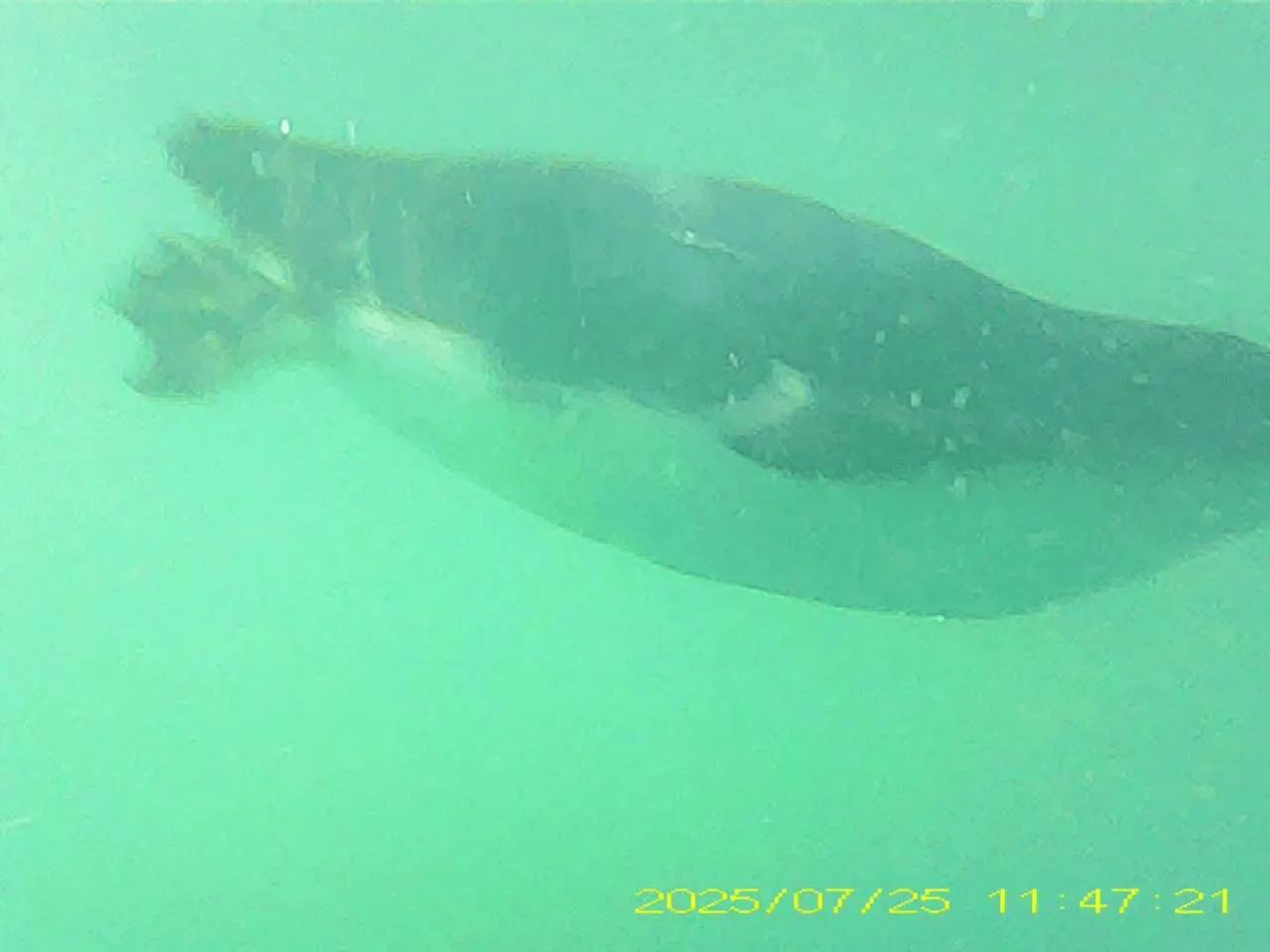
The footage is fascinating in its own right, but it's also providing valuable scientific information. Some videos show cloudy green water where visibility is less than a metre (see the below image from a storm in June 2025), while others reveal crystal-clear blue water where penguins can see several metres ahead (for example the cleaner water a month after the storm had passed). Our aim is to measure these colours and, by extension, the water clarity the penguins are foraging in.
By analysing the colours in each frame, we can estimate water clarity using the Forel-Ule Index, a method that has been used for well over a century, to assess the colour and clarity of natural waters. Today, scientists can estimate Forel-Ule values from satellite imagery, drone photography, smartphone photos and now, even from footage collected by little penguins themselves!
Once we know the conditions the penguins are foraging in, we can begin asking some important questions. Do penguins catch fewer fish when the water is murkier? Do they spend longer searching for prey? Are they forced to use more energy for less food? Because we can identify every interaction with prey from the footage, these cameras give us a unique opportunity to directly link ocean conditions with penguin foraging success.
Although the project is still in its early stages, it's already providing a fascinating glimpse into the connection between ocean conditions and what we see back at the colony. One of our recent deployments captured penguins foraging in beautiful, clear blue water, catching fish left, right and centre, with plenty of other penguins feeding nearby. These favourable conditions may help explain what we're seeing back at the colony, where the breeding season has once again started early and chicks are growing rapidly.
Every trip a penguin takes to sea tells a story, not just about where it went or what it ate, but about the ever-changing environment it depends on. By combining tiny cameras with new ways of measuring water clarity, we're beginning to understand how storms, sediment and changing ocean conditions influence the daily lives of little penguins. And we're excited to discover what these remarkable cameras reveal next.